

Heat Pump vs. Furnace in Ontario: Which Saves More in 2026?
Heat pump vs furnace for GTA and Ontario homes in 2026: compare install cost, operating cost, cold-climate performance, rebates, and which one saves you more.
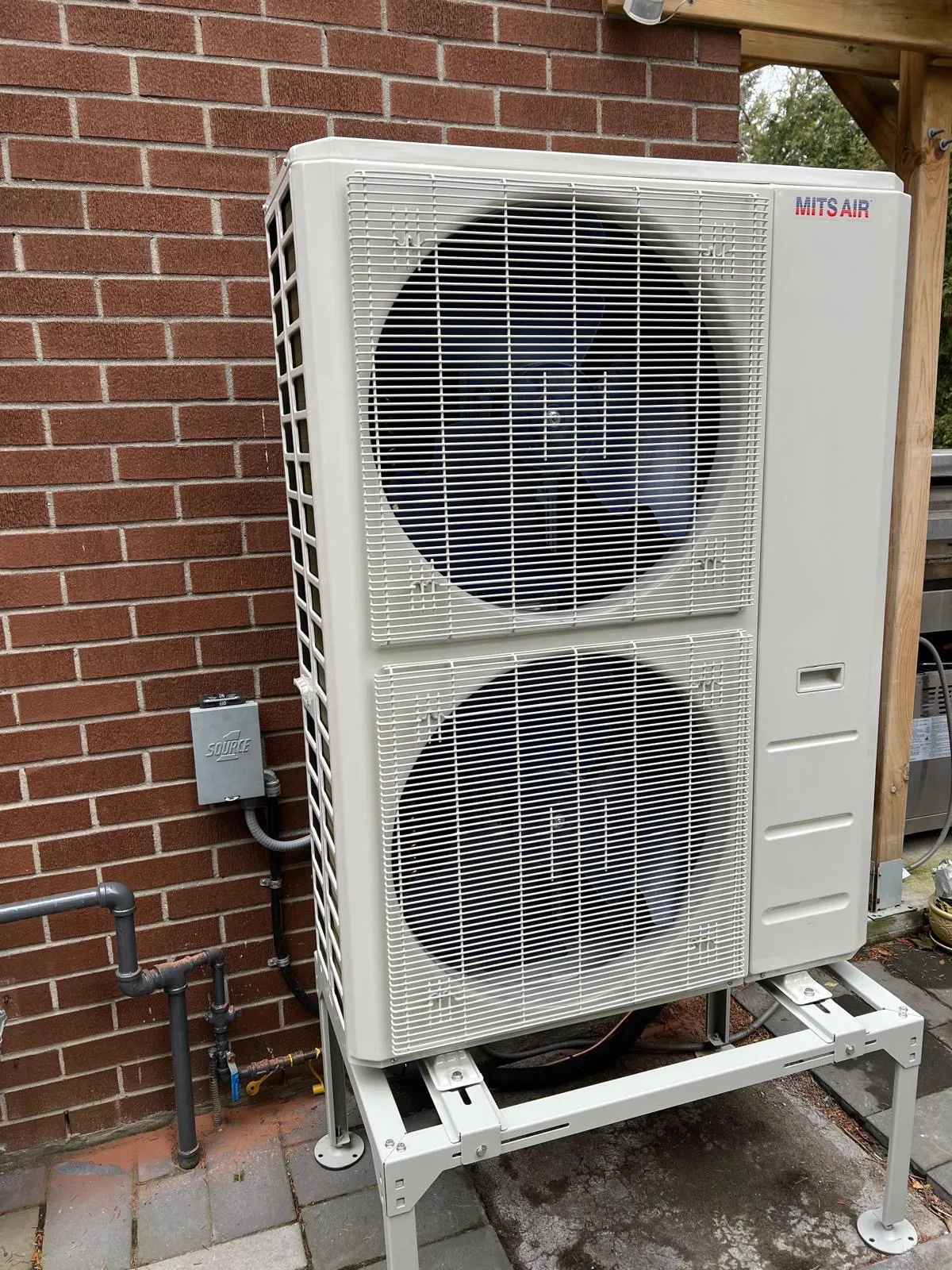
Replacing a heating system in the Greater Toronto Area used to be a simple decision: your gas furnace died, so you bought another gas furnace. In 2026 that is no longer a given. Cold-climate heat pumps have matured, electricity-versus-gas math has shifted, and rebate programs now lean heavily toward heat pumps — enough that thousands of GTA homeowners are rethinking the default.
So which one actually saves you more? The honest answer is it depends — on your home, your current bills, and how cold your worst week gets. Let’s break it down clearly so you can see where each option wins.
The short version: A high-efficiency gas furnace still wins on upfront cost and brute-force heat in deep cold. A cold-climate heat pump wins on efficiency in mild and moderate weather and qualifies for the bigger Ontario rebates. For many GTA homes, the smartest answer is a dual-fuel system that uses both. Whatever you choose, proper sizing matters more than the badge on the box.
How each system actually makes heat
A gas furnace burns natural gas to create heat, then blows it through your ducts. A modern high-efficiency furnace converts roughly 95–98% of the fuel it burns into usable heat. That is excellent — but it is still capped at 100%, because it can only release the energy stored in the gas.
A heat pump works differently. It doesn’t burn anything. It uses electricity to move heat from the outdoor air into your home — yes, even cold air contains heat energy. Because it’s moving heat rather than creating it, a heat pump can deliver two to three units of heat for every unit of electricity it uses. In efficiency terms, that’s the equivalent of being “200–300%” efficient.
That single difference is the heart of the whole comparison. It’s also why a heat pump can be cheaper to run in mild weather and more expensive in extreme cold, when its efficiency drops.
A heat pump is also an air conditioner running in reverse. One unit heats and cools your home year-round — so it replaces both your furnace’s heating job and your central AC. That’s a real factor when you compare total system cost.
Upfront cost: furnace wins
There’s no getting around it — a heat pump usually costs more to install than a furnace, especially a cold-climate model.
| Factor | High-efficiency gas furnace | Cold-climate heat pump |
|---|---|---|
| Typical installed cost (2026, GTA) | Roughly $4,500–$7,500 | Roughly $9,000–$16,000+ |
| Also provides cooling? | No (needs separate AC) | Yes — heats and cools |
| Operating cost, mild/moderate weather | Moderate | Lower (very efficient) |
| Operating cost, deep cold | Lower | Higher (efficiency drops) |
| Cold-climate performance | Excellent at any temperature | Strong to ~-25°C, then needs backup |
| Typical lifespan | Roughly 15–20 years | Roughly 12–15 years |
| Rebate eligibility (as of 2026) | Usually minimal | Often substantial |
All figures are ballpark ranges and vary widely with home size, ductwork, electrical capacity, and the specific equipment chosen. Treat them as a starting point for a conversation, not a quote.
One nuance that closes the gap: if you’d otherwise be buying both a furnace and a central air conditioner, a heat pump does both jobs in one. Comparing a heat pump against a furnace-plus-AC pairing makes the upfront numbers look a lot closer.
Operating cost: it comes down to gas vs. electricity
This is where it gets genuinely interesting, and where Ontario specifics matter.
Natural gas has long been inexpensive in Ontario, which is why furnaces dominated for decades. Burning gas to heat your home is simple and, when it’s bitterly cold, often the cheapest way to push out a lot of heat fast.
Electricity in Ontario is billed either on Time-of-Use (TOU) rates — cheaper overnight and on weekends, pricier on weekday afternoons — or on tiered rates, where the price steps up after you cross a monthly usage threshold. Because a heat pump runs on electricity, your rate plan and when the system runs both affect the bill.
Here’s the practical takeaway:
- In mild to moderate cold (think most of the GTA heating season — October, November, March, April, and milder winter days), a heat pump’s high efficiency usually makes it cheaper to run than gas.
- In deep cold (a -20°C cold snap), the heat pump works harder for less output, and gas often becomes the cheaper source of heat.
That split is exactly why hybrid systems have taken off.
Cold-climate performance and backup heat
The old knock on heat pumps — “they don’t work when it’s really cold” — is largely outdated. Modern cold-climate air-source heat pumps are engineered to keep heating efficiently down to roughly -25°C, which covers the vast majority of GTA winter days.
But two things remain true:
- A heat pump’s heating output declines as the temperature falls. It still works; it just produces less heat per hour.
- For the coldest stretches, you need backup (auxiliary) heat to keep up with demand.
That backup comes in one of two forms:
- Electric resistance elements built into the air handler. Simple and reliable, but expensive to run, since resistance heating is only ~100% efficient and uses a lot of electricity.
- A gas furnace — which brings us to the option many GTA installers now recommend first.
Dual-fuel (hybrid) systems: the GTA sweet spot
A dual-fuel or hybrid system pairs a cold-climate heat pump with a gas furnace in the same setup. A smart thermostat or control board decides, automatically, which one to run:
- Above a set “switchover” temperature, the heat pump handles heating — efficient and low-cost.
- Below that point, the system hands off to the gas furnace for fast, high-output heat in the deep cold.
You get the best of both: low operating costs through most of the season, and dependable brute-force heat during a January cold snap. For homes that already have gas service and ductwork — which describes most GTA houses — dual-fuel is often the most cost-effective long-term choice. It also adds central air conditioning if you don’t already have it.
The trade-off is upfront cost: you’re buying two heating sources. But the operating savings and rebate eligibility frequently make the math work over the equipment’s life.
Rebates tilt the field toward heat pumps
Incentive programs in Ontario have shifted decisively toward electrification and efficiency. As of 2026, the larger rebates target high-efficiency heat pumps — including dual-fuel configurations — because they cut energy use and emissions. A straight like-for-like furnace swap typically qualifies for little to nothing.
Those rebates can meaningfully narrow the upfront-cost gap with a furnace. Eligibility rules, amounts, and program availability change often, and many require a pre- and post-installation energy assessment, so confirm the current details before you commit.
We cover exactly which programs apply and how to qualify in our Ontario HVAC rebates guide for 2026. It’s the first thing to read before you spend anything.
Sizing matters more than the badge
Whichever system you pick, correct sizing is non-negotiable. An oversized unit short-cycles, wastes energy, and leaves your home with uneven temperatures and poor humidity control. An undersized one runs constantly and still can’t keep up in the cold.
Heat pumps are especially sensitive to sizing, because their output changes with the outdoor temperature — get it wrong and you’ll lean on expensive backup heat far more than you should. A proper load calculation (a “Manual J”) that accounts for your home’s square footage, insulation, windows, and air sealing is the only reliable way to size equipment. The same principle applies to cooling — see our guide on what size air conditioner you actually need.
So which one saves you more?
Here’s the honest, no-spin summary:
- Choose a high-efficiency gas furnace if you want the lowest upfront cost, you already have central AC you’re happy with, and you want maximum heat output in deep cold at a predictable price.
- Choose a cold-climate heat pump if you want the lowest operating cost in mild and moderate weather, you want heating and cooling in one system, and you want to capture the largest available rebates.
- Choose a dual-fuel hybrid if you want the best balance — efficient low-cost heat most of the year, reliable gas heat in cold snaps, plus AC and strong rebate eligibility. For many GTA homes, this is the option that saves the most over the system’s lifetime.
If your current furnace is aging and you’re weighing a repair against a replacement, it’s worth running the numbers on all three before you spend money on an old unit — see our piece on troubleshooting a furnace that won’t turn on for when a repair still makes sense.
When to call Delson Air
The right answer genuinely depends on your home, your bills, and your priorities — and that’s a conversation worth having before you spend thousands. Delson Air designs and installs heating and cooling systems across the Greater Toronto Area, including Toronto, Mississauga, Markham, Vaughan, Brampton, Richmond Hill, and Oakville.
We’re licensed, insured, TSSA-licensed (Ontario’s gas-work regulator) and an Enbridge Authorized Contractor, so we can advise on furnaces, heat pumps, and dual-fuel systems honestly — and handle the rebate paperwork that comes with them. Browse our services, call us at (647) 467-9919, or get in touch for a straight-talking assessment of which system saves your household the most.
Your Comfort, Our Priority.
FAQ
Common questions
Will a heat pump actually keep my GTA home warm in winter?
Is a heat pump cheaper to run than a gas furnace in Ontario?
What is a dual-fuel or hybrid heating system?
Do heat pumps qualify for more rebates than furnaces in Ontario?
Delson Air Team
Licensed, insured, TSSA-certified HVAC technicians serving the Greater Toronto Area.
Keep reading
More from the Journal
Heat Pump vs Furnace + AC: True 10-Year Cost of Ownership
Heat pump vs furnace + AC 10-year cost of ownership for GTA and Ontario homes: install, operating, maintenance, rebates, and lifetime totals compared in 2026.
Programmable vs Smart Thermostats: 2026 Buyer's Guide
A 2026 buyer's guide comparing programmable and smart thermostats for GTA and Toronto homes — features, savings, compatibility, and which suits your Ontario HVAC system.
Tankless Water Heaters: Real GTA Costs in 2026
What does a tankless water heater really cost in Toronto and the GTA in 2026? Honest install ranges, tank vs tankless math, and what drives the bill.