

Is Heated Flooring Worth It? Costs, Comfort & Where It Fits
Is heated flooring worth it for GTA and Toronto homes? Compare electric vs hydronic radiant floor heating cost, comfort, best rooms, and when in-floor heating pays off.
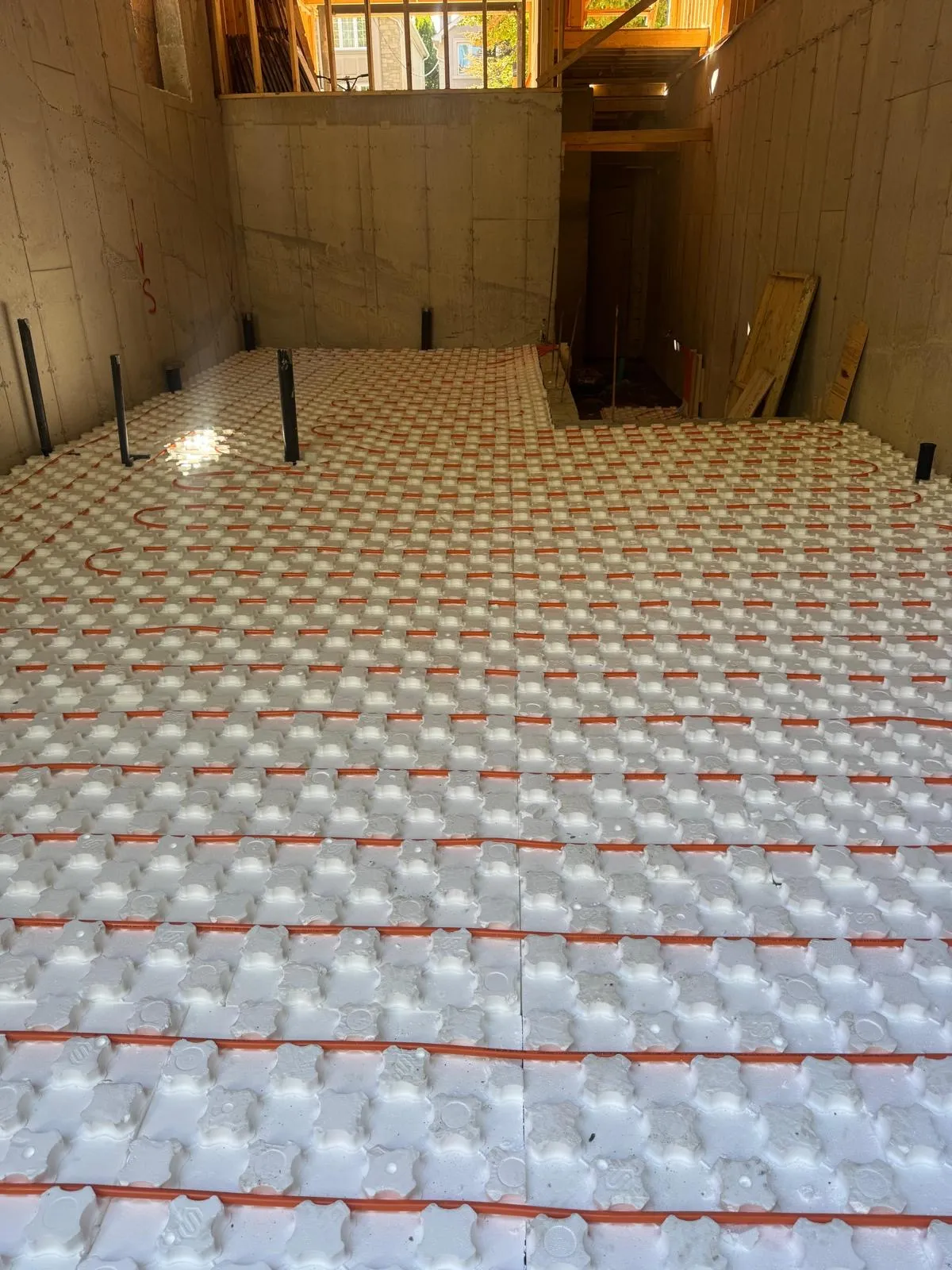
There is a particular kind of dread that comes with stepping onto a freezing bathroom tile on a January morning in the Greater Toronto Area. Heated flooring promises to erase that moment entirely — warm tile underfoot, even heat in the room, and not a single rattling vent or whooshing draft. It sounds luxurious, and it is. But luxury and value are not the same thing.
So is heated flooring actually worth it, or is it an expensive upgrade you’ll admire on the invoice more than under your feet? The honest answer depends on which room, which system, and when you install it. Let’s walk through it clearly.
The short version: Heated flooring is genuinely worth it in the right spots — bathrooms, kitchens, basements, and tiled additions — especially when you install it during a renovation rather than tearing up a finished floor later. Electric systems suit small rooms and retrofits; hydronic systems make sense for large areas and whole-home comfort. Tile and stone are the ideal surface. If you’re rethinking your home’s heating more broadly, weigh it against a heat pump or furnace and check current Ontario rebates first.
What heated flooring actually is
Heated flooring — also called radiant floor heating or in-floor heating — warms a room from the ground up. Instead of blowing hot air from a vent, the entire floor becomes a gentle, low-temperature radiator. Heat rises evenly across the room, so you feel warm at the level that matters: your feet.
There are two main types, and the difference between them drives almost every decision that follows:
- Electric (cable or mat) systems run a thin electric heating element under the floor finish. Electricity passes through the cable and the cable warms the floor directly.
- Hydronic (water-based) systems circulate warm water through flexible tubing embedded in or under the floor. The water is heated by a boiler or a heat pump, then pumped through loops controlled by a manifold.
Both deliver the same lovely end result. They differ sharply on cost, scale, and how hard they are to install in an existing home.
Electric vs. hydronic: a side-by-side comparison
| Factor | Electric (cable/mat) | Hydronic (water + boiler/heat pump) |
|---|---|---|
| Best use | Single rooms, bathrooms, retrofits | Large areas, whole-home, new builds |
| Upfront cost range | Lower — typically a few hundred to ~$1,500 in materials for a small room, plus install | Higher — significant cost for tubing, manifold, and a boiler or heat pump |
| Operating cost | Higher per area on Ontario electricity rates; cheap for small timed zones | Lower over large areas; depends on heat source efficiency |
| Retrofit difficulty | Easier — thin profile, adds little floor height | Harder — needs floor build-up and plumbing connections |
| Response time | Faster to warm a small zone | Slower to heat, but holds warmth longer |
All figures are ballpark ranges that vary with room size, subfloor, flooring choice, and equipment. Treat them as a starting point for a conversation, not a quote.
The quick rule of thumb: electric for a room or two, hydronic when you’re heating a big footprint.
The best rooms for heated floors
Heated flooring isn’t an all-or-nothing decision. Most GTA homeowners add it strategically, where the payoff in comfort is highest:
- Bathrooms — the classic and most popular choice. Cold tile becomes warm tile, and a small electric mat is affordable to install and run on a timer.
- Kitchens — hard tile floors where you stand for long stretches, and where forced-air vents often leave cold spots.
- Basements — concrete slabs are notoriously cold and damp-feeling. Radiant heat takes the chill out of the lowest, draftiest level of the house.
- Additions and sunrooms — extending ductwork to a new space is often awkward; a self-contained floor heating zone can be simpler and more comfortable.
- Any tiled or stone floor — these surfaces conduct heat beautifully and feel best underfoot.
Heated flooring excels as targeted comfort heating in the rooms where you most notice a cold floor. That’s a different goal than replacing your central heating system — and it’s exactly why so many people start with a single bathroom.
New build vs. retrofit: timing is everything
The single biggest factor in whether heated flooring is worth it is when you install it.
During a renovation or new build, the floor is already open. Adding a thin electric mat or laying hydronic tubing before the finished floor goes down is straightforward, and the incremental cost is modest compared with the work already happening.
A retrofit into a finished room is a different story. You generally have to remove the existing floor to install the system, which means demolition, disposal, and a new floor finish on top. Two practical issues come up:
- Floor height. Every system adds some thickness. Electric mats add very little; hydronic systems and the mortar or panels around them can raise the floor enough to affect doors, transitions, and trim.
- Subfloor. The system needs a sound, suitable subfloor beneath it. Concrete slabs and plywood both work, but they may need preparation first.
The takeaway: if you’re already tearing up a floor, that’s the moment to decide. Adding it later costs far more.
The comfort case: why people love it
Cost aside, this is where heated flooring earns its loyal following. Compared with traditional forced-air heating, it offers:
- Even, gentle warmth. Heat radiates across the whole floor, so there are no hot vents and cold corners — just a consistent temperature.
- No drafts. Because it doesn’t blow air, it doesn’t create the chilly air currents that forced-air systems do.
- Silence. No fan noise, no ducts ticking as they expand. It’s completely quiet.
- Cleaner air for allergy sufferers. Forced air constantly recirculates dust, pet dander, and other particles. Radiant heat moves almost no air, so it stirs up far less. If indoor air quality is a priority, it pairs well with the steps in our guide to winter indoor air quality.
- Freed-up walls and floors. No radiators or baseboard heaters taking up space.
For many people, the comfort difference alone is the answer to “is it worth it?”
What it costs to run in Ontario
Comfort is one thing; the operating bill is another, and Ontario’s energy prices matter here.
Electric floor heating converts electricity directly into heat. For a small bathroom on a timer — warm for an hour in the morning and evening — the running cost is minor. But heating large areas with electric resistance across Time-of-Use or tiered electricity rates adds up quickly, because resistance heating uses a lot of power.
Hydronic systems heat water rather than the floor directly, and they’re more efficient over large footprints. Their operating cost depends heavily on the heat source: a high-efficiency boiler or a heat pump feeding the loops will run more economically than electric resistance over a whole home.
Either way, a programmable thermostat is essential. Heating floors only when and where you need them is the difference between a sensible comfort upgrade and a surprising hydro bill.
Flooring compatibility: what works on top
The floor finish you choose has a real impact on how well the system performs:
- Tile and natural stone — the best partners. They conduct heat efficiently and store it well, so the floor stays warm and responds predictably. This is why bathrooms and kitchens are such natural fits.
- Engineered wood and luxury vinyl — many products are rated for radiant heat, but you must confirm the manufacturer’s maximum temperature rating before installing. Not every product qualifies.
- Solid hardwood — often restricted. Real wood expands and contracts with heat and humidity, so it can cup, gap, or crack over a heated floor. Where it’s allowed at all, it comes with strict temperature limits.
- Thick carpet and heavy underpad — work against the system. Carpet is an insulator; pile it on and it traps the heat below, leaving the surface cool and the system working harder than it should.
When in doubt, tile over heated floor is the safe, time-tested combination.
When heated flooring is worth it — and when it isn’t
Here’s the honest summary:
It’s worth it when:
- You’re renovating or building, and the floor is already open.
- You want warm bathroom, kitchen, or basement floors and you’re laying tile or stone.
- You value quiet, draft-free, even heat — and cleaner air than forced-air systems provide.
- You’re heating a large area with hydronic and an efficient heat source, where operating costs become competitive.
It’s harder to justify when:
- You’d have to tear up a perfectly good finished floor purely to add it.
- You want carpet or solid hardwood that limits performance.
- You’re trying to heat large areas cheaply with electric resistance on Ontario rates.
For most GTA homeowners, the sweet spot is targeted comfort — a warm bathroom or a cozy basement — installed at the right moment. That’s where heated flooring delivers value you feel every single day.
When to call Delson Air
Heated flooring is one of those upgrades that’s far easier to plan than to retrofit, so the best time to ask the questions is before the floor goes down. Delson Air designs and installs floor heating and complete comfort systems across the Greater Toronto Area, including Toronto, Mississauga, Markham, Vaughan, Brampton, Richmond Hill, and Oakville.
We’re licensed, insured, TSSA-licensed (Ontario’s gas-work regulator) and an Enbridge Authorized Contractor, so we can advise on electric and hydronic systems, the right heat source, and how floor heating fits with the rest of your home’s comfort plan. Browse our services, call us at (647) 467-9919, or get in touch for a straight-talking assessment of whether heated flooring is worth it in your home.
Your Comfort, Our Priority.
FAQ
Common questions
Is heated flooring worth it in a GTA home?
How much does radiant floor heating cost in Ontario?
What flooring can you put over in-floor heating?
Is heated flooring expensive to run in Ontario?
Delson Air Team
Licensed, insured, TSSA-certified HVAC technicians serving the Greater Toronto Area.
Keep reading
More from the Journal
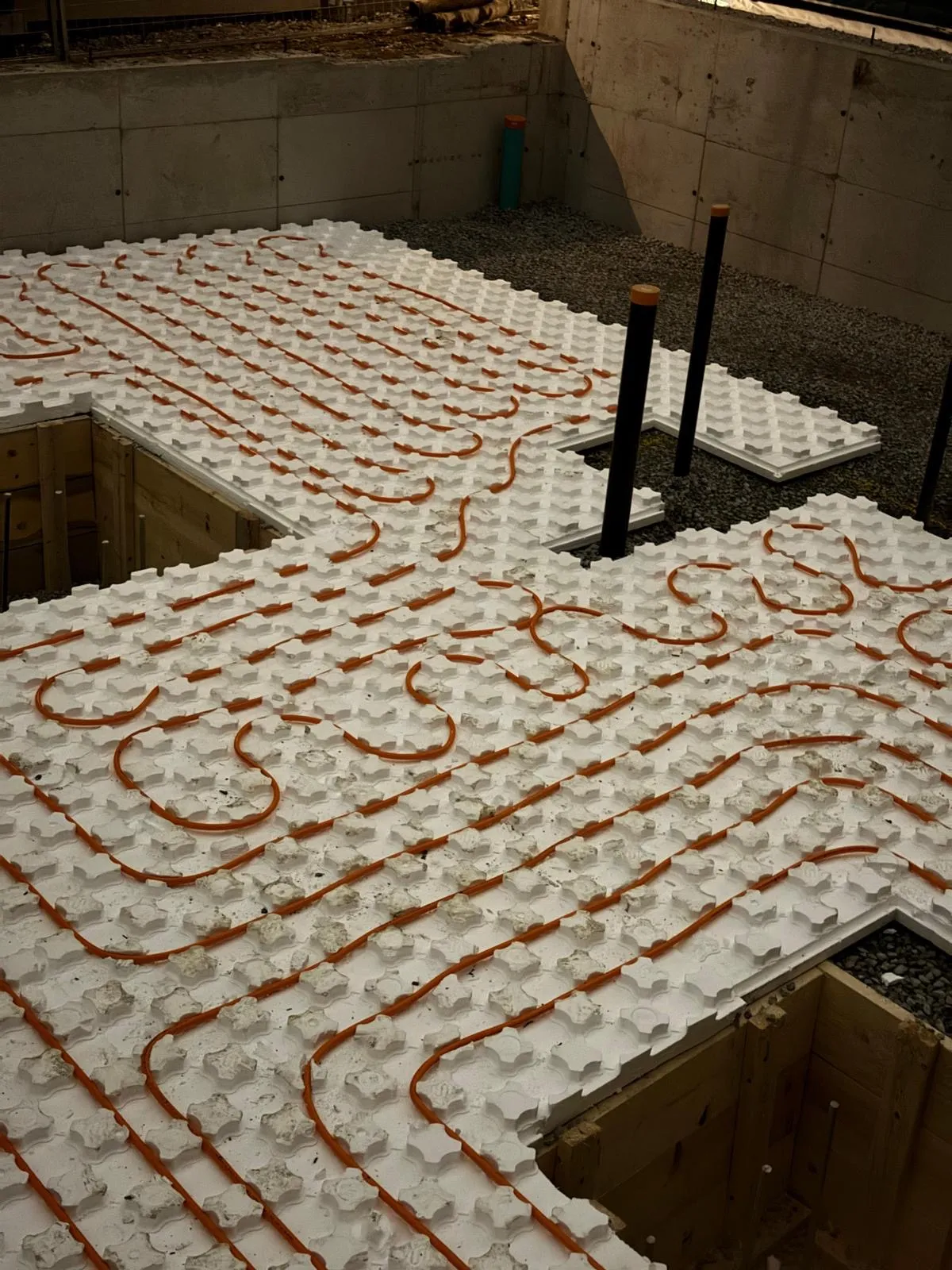
Are Heated Bathroom Floors Worth the Money?
Are heated bathroom floors worth it in GTA and Toronto homes? Compare electric mats vs hydronic, real costs, comfort, resale value, and when in-floor heat pays off.
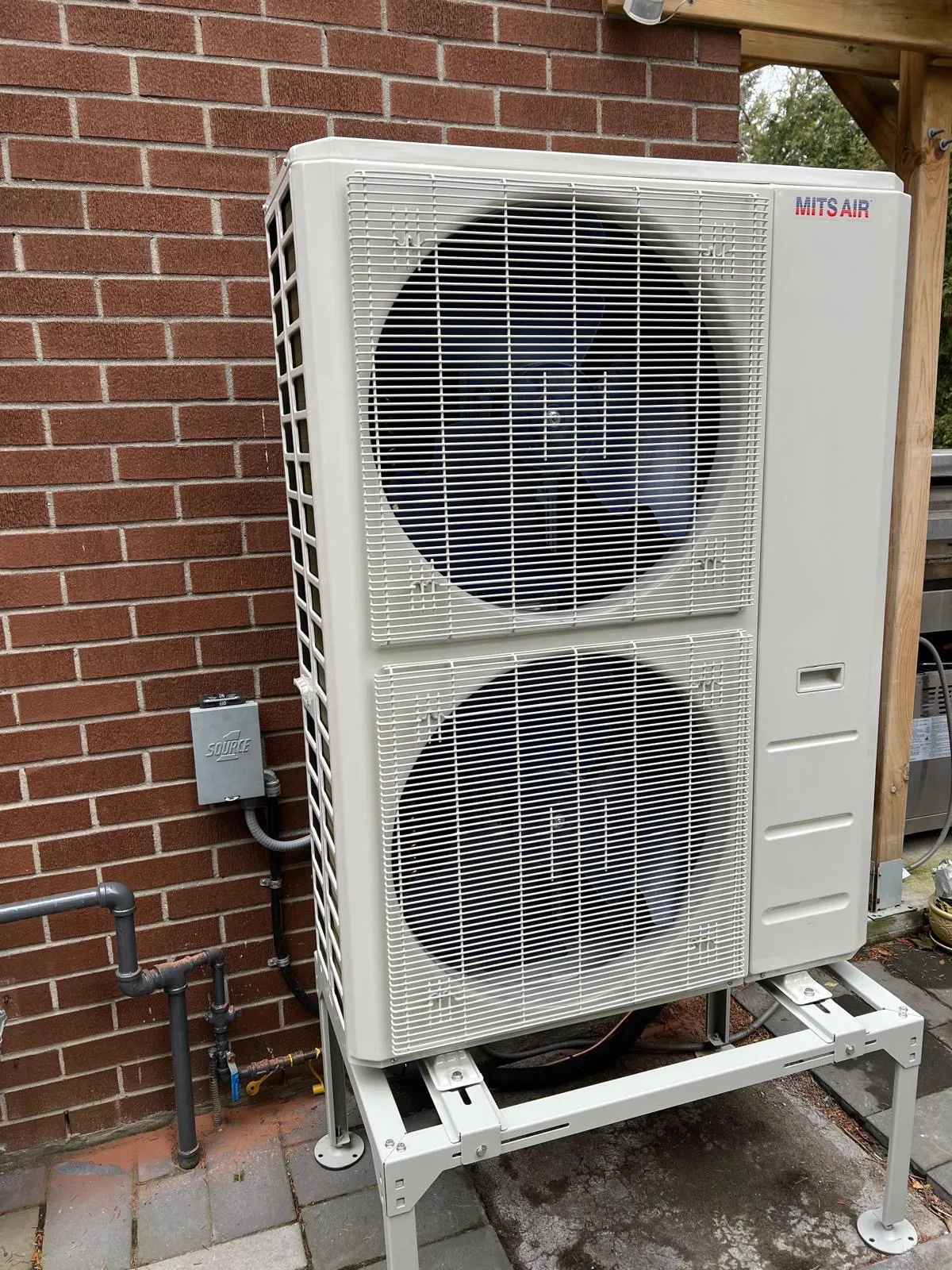
Heat Pump vs Furnace + AC: True 10-Year Cost of Ownership
Heat pump vs furnace + AC 10-year cost of ownership for GTA and Ontario homes: install, operating, maintenance, rebates, and lifetime totals compared in 2026.
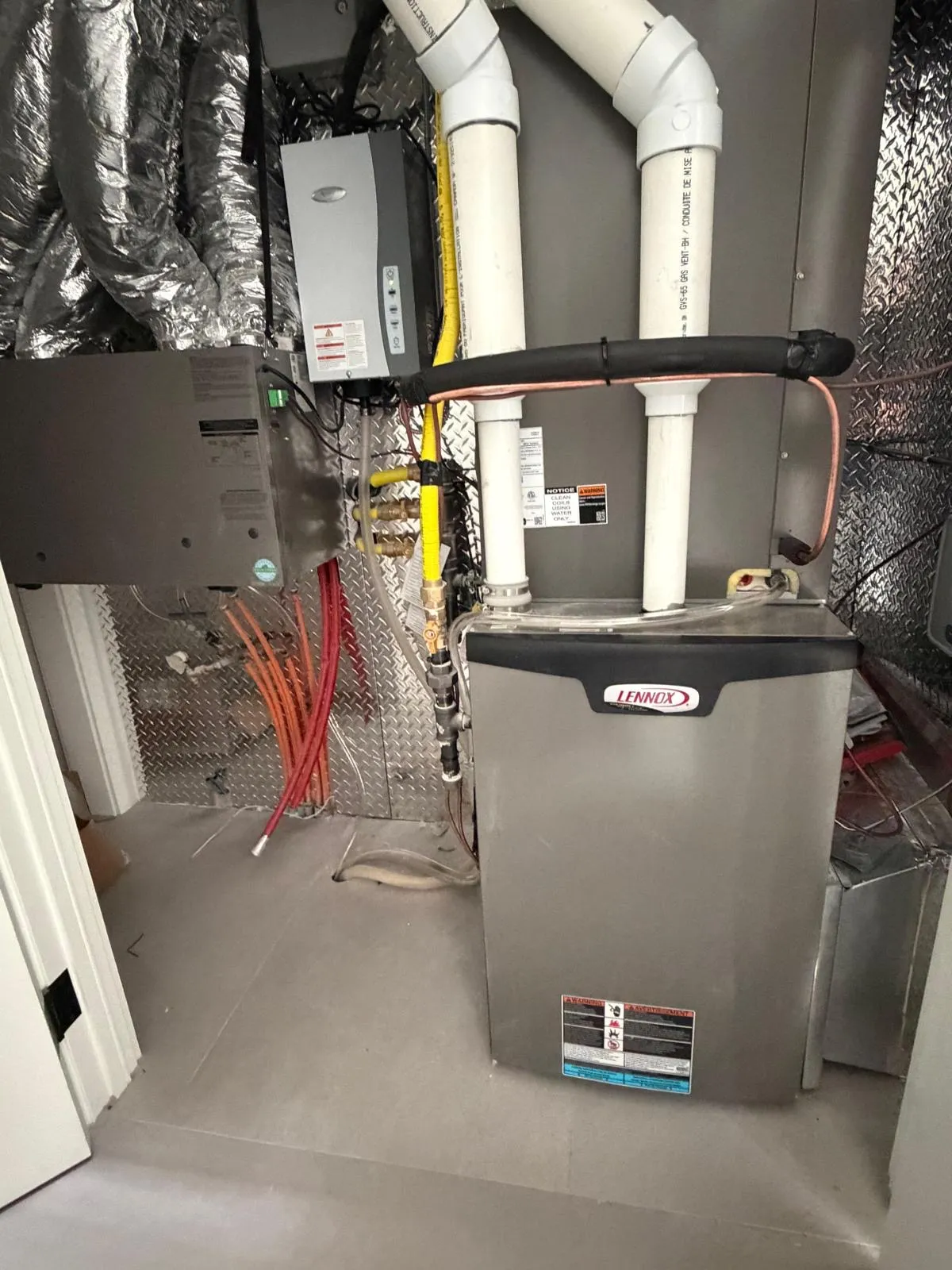
HVAC Maintenance Plans: What's Included in 2026
What an HVAC maintenance plan actually covers in 2026 — priority dispatch, repair discounts, waived diagnostic fees, and tune-ups for GTA homeowners.