

AC Maintenance Checklist: Ready Your System for a GTA Summer
A spring AC maintenance checklist for Toronto and GTA homes — DIY tune-up steps plus when to book a pro before the first heat wave hits.
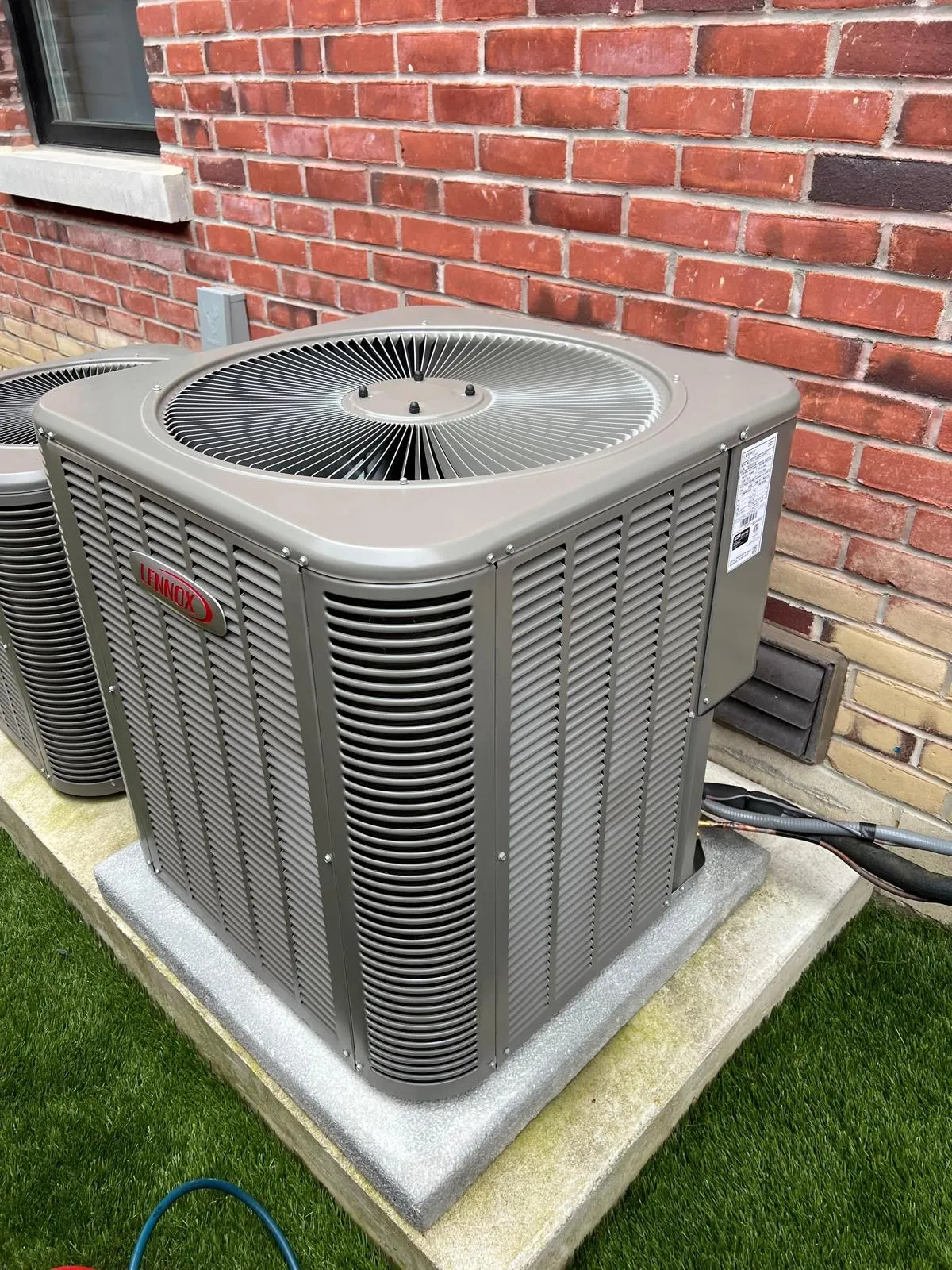
Few things test a Toronto home like the first real heat wave of the year. The humidity rolls in, every house on the street fires up its air conditioner at once, and that’s exactly when a neglected system tends to quit. The good news is that most summer AC failures are preventable with an hour of spring attention.
This checklist walks through what you can safely do yourself, what’s worth leaving to a licensed technician, and why the best time to handle all of it is now — on a mild spring day, before you actually need the cooling.
The short version: Each spring, replace your filter, clear debris around the outdoor condenser, gently rinse the fins with the power off, and test the system early on a mild day. Then book an annual professional tune-up to check refrigerant, electrical parts, and safety controls — it catches small issues early and often protects your warranty. Want it handled? Reach out anytime.
Why spring is the right time
Your air conditioner sits idle all winter. Leaves pile up around it, seals dry out, and a slow refrigerant leak from last year can go completely unnoticed until you switch it on.
Testing and servicing in spring gives you a buffer. If something’s wrong, you find it while the weather is forgiving and before the busy season — not at 6 p.m. on the hottest day of July when every HVAC company in the GTA is booked solid. A little planning turns a potential emergency into a routine appointment.
The homeowner’s DIY checklist
These steps are safe for most homeowners and take well under an hour. Work through them on a dry, mild day.
- Replace or clean the filter. A clogged filter chokes airflow and can freeze the indoor coil. Swap a disposable filter or wash a reusable one — our furnace filter guide covers sizing and MERV ratings (the same filter serves both heating and cooling).
- Clear the area around the outdoor condenser. Pull weeds, trim back shrubs, and remove leaves, grass clippings, and the winter’s debris. Aim for roughly 60 cm (about 2 feet) of clearance on all sides so the unit can breathe.
- Cut the power, then rinse the fins. Shut off the unit at the disconnect box beside it and at the breaker. With power fully off, gently rinse the condenser fins from the inside out using a regular garden hose — never a pressure washer.
- Check and clear the condensate drain line. Find the small PVC drain line that carries away condensation. A clog can cause water damage or trip a safety switch. A gentle flush helps prevent backups.
- Test the system early. On a mild day, set the thermostat to cool a few degrees below room temperature and let it run. Confirm cold air at the vents and listen for unusual noises. Better to discover a problem now than during a heat wave.
- Check the thermostat and batteries. Replace batteries in battery-powered thermostats and confirm the schedule is set for the season.
- Open and unblock your registers. Make sure supply and return vents are open and clear of furniture or rugs. Closing vents doesn’t save money — it just unbalances airflow.
Safety first: always turn off the power at both the disconnect and the breaker before touching the condenser. And never bend the thin aluminum fins — they’re delicate, they restrict airflow when crushed, and straightening them is a job for a proper fin comb.
If certain rooms still feel warm even after the basics are dialled in, the cause is often distribution rather than the AC itself — our guide on uneven heating and cooling between rooms digs into why.
What the pros handle
The DIY list keeps your system breathing and clean. A professional tune-up goes deeper into the parts that involve high voltage, regulated refrigerant, and precise measurements — areas that aren’t safe or practical to DIY.
A licensed technician’s visit typically includes:
- Refrigerant charge check — measuring the charge and looking for leaks. A low charge hurts efficiency and can damage the compressor, and topping it up without finding the leak only masks the problem.
- Electrical inspection — testing the capacitor and contactor (two of the most common failure points), tightening connections, and checking for wear or corrosion.
- Coil cleaning — deep-cleaning the indoor evaporator and outdoor condenser coils beyond a garden-hose rinse.
- Blower and amp draw — inspecting the blower motor and measuring the electrical draw to catch a motor that’s straining.
- Safety checks — verifying controls, the disconnect, and the overall operation of the system.
DIY vs. pro: a quick reference
Not sure who should handle what? Use this table.
| Task | DIY or Pro | How often |
|---|---|---|
| Replace / clean filter | DIY | Every 1–3 months |
| Clear debris around condenser | DIY | Spring + as needed |
| Rinse condenser fins (power off) | DIY | Once each spring |
| Clear condensate drain line | DIY | Spring + mid-summer |
| Test system on a mild day | DIY | Early spring |
| Thermostat / batteries | DIY | Spring |
| Refrigerant charge & leak check | Pro | Annually |
| Electrical, capacitor & contactor | Pro | Annually |
| Deep coil cleaning | Pro | Annually |
| Blower motor & amp draw | Pro | Annually |
Why annual professional maintenance matters
It’s fair to ask whether a yearly tune-up is worth it when the DIY steps already cover so much. For most homeowners in the GTA, it is — for two reasons.
First, it protects your warranty. Many manufacturers require documented annual professional maintenance to keep equipment coverage valid, so skipping it can give them grounds to deny a future claim.
Second, it catches small problems early. A weak capacitor, a slightly low refrigerant charge, or a fraying contactor are cheap to address in spring and expensive when they fail mid-July and take the whole system down with them. A tune-up is the difference between a planned, minor fix and an emergency repair during the worst possible week.
Signs your AC needs attention now
Even with a tidy checklist, watch for these warning signs once the season starts:
- Warm or weak air from the vents when set to cool.
- Longer run times or the system never quite reaching the set temperature.
- Ice or frost on the indoor coil or the refrigerant line — usually airflow or refrigerant related.
- Strange noises — buzzing, rattling, or grinding from the outdoor unit.
- Water pooling near the indoor unit, pointing to a clogged drain.
- A noticeable jump in your hydro bill with no change in usage.
Any of these is a good reason to book a service visit rather than wait. If you’re also weighing a bigger upgrade — say your current unit is undersized or near end of life — our piece on what size air conditioner you need is a useful starting point before you spend on repairs.
A simple seasonal routine
Make it easy on yourself. Pick a weekend in late April or early May, run the DIY checklist above, and book your professional tune-up for the same stretch. Doing both in spring means your system is clean, tested, and verified well before the demand peaks.
Then it’s mostly hands-off: keep an eye on the filter through the summer, give the condensate drain a quick check mid-season, and you’re set. You can find these and our other services bundled into regular maintenance plans if you’d rather not track it yourself.
When to call Delson Air
The DIY checklist will keep your air conditioner clean and breathing. But refrigerant, electrical work, and a proper safety inspection belong with a licensed professional — and that annual visit is what keeps your system efficient, reliable, and within warranty.
At Delson Air (“Home Comfort”), we serve homeowners across the GTA — Toronto, Mississauga, Markham, Vaughan, Brampton, Richmond Hill, Oakville and surrounding areas. We’re licensed, insured, TSSA-licensed, and an Enbridge Authorized Contractor, so your tune-up is held to Ontario’s standards.
If your AC isn’t cooling the way it should, or you’d simply like it checked before the first heat wave, call (647) 467-9919 or get in touch. Your comfort is our priority — and a little spring attention is the easiest way to protect it all summer.
FAQ
Common questions
When should I do AC maintenance in the GTA?
Can I clean my air conditioner myself?
Why is my AC not cooling after winter?
Does AC maintenance really affect my warranty?
Delson Air Team
Licensed, insured, TSSA-certified HVAC technicians serving the Greater Toronto Area.
Keep reading
More from the Journal
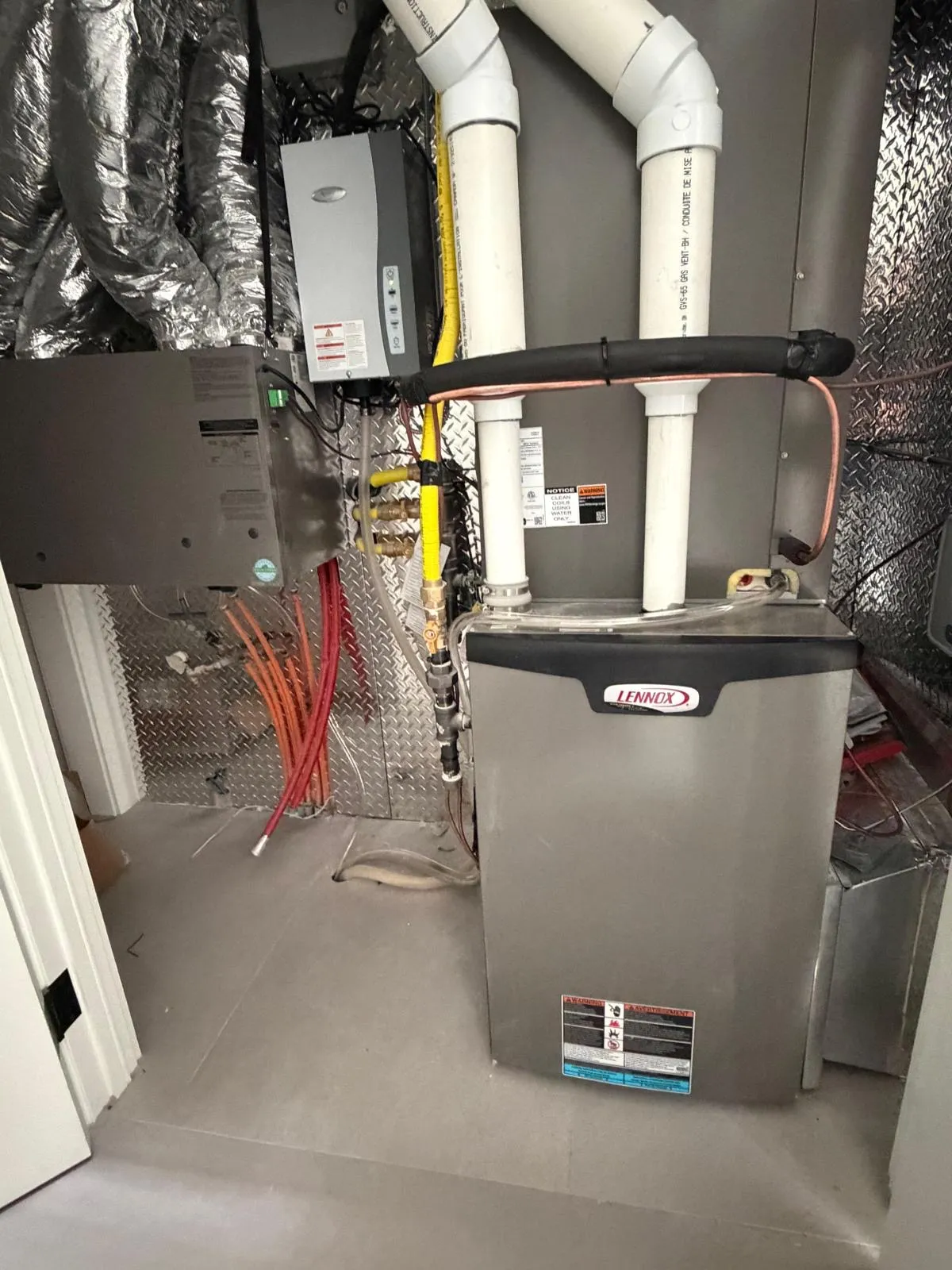
HVAC Maintenance Plans: What's Included in 2026
What an HVAC maintenance plan actually covers in 2026 — priority dispatch, repair discounts, waived diagnostic fees, and tune-ups for GTA homeowners.
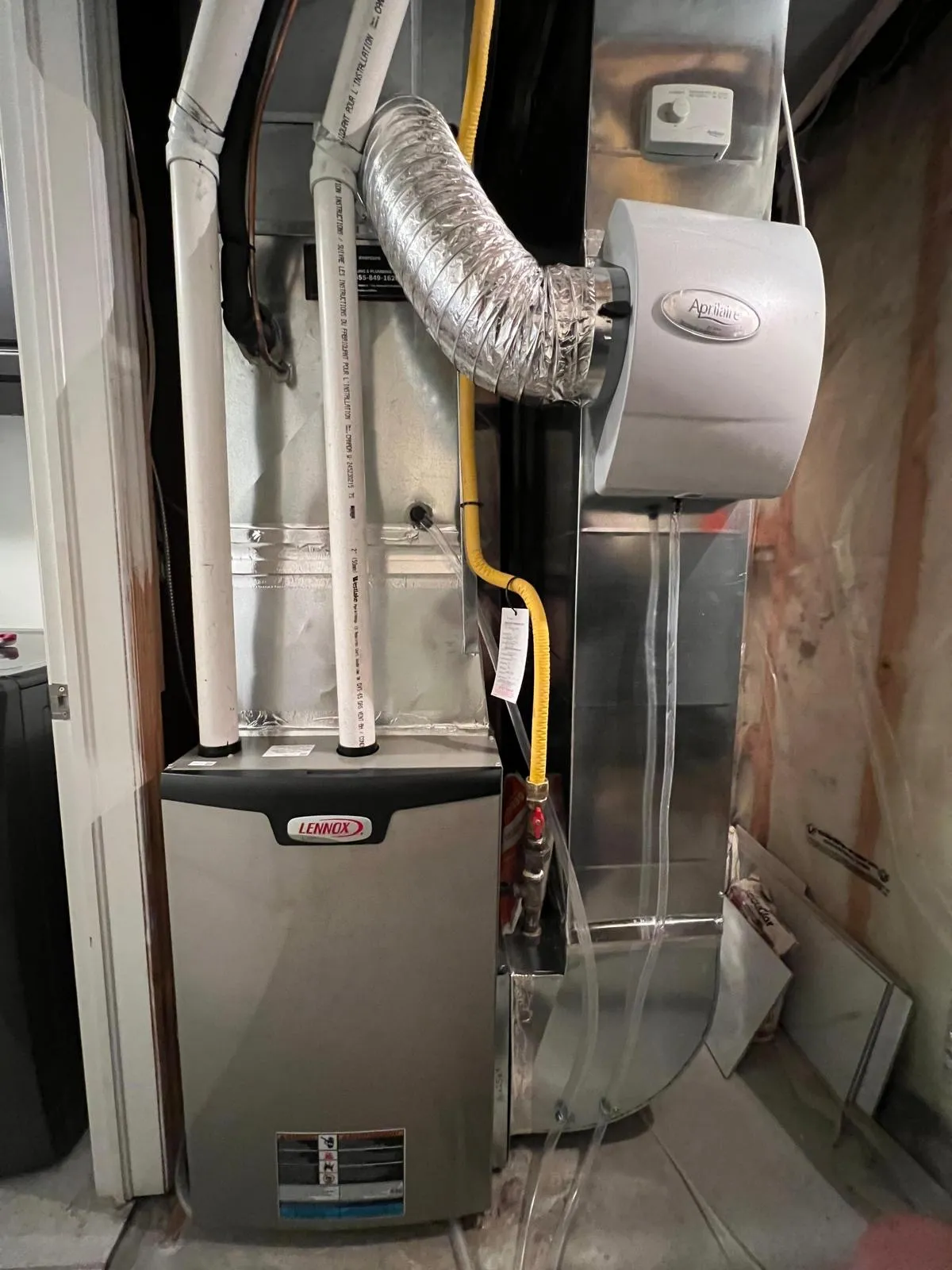
Fall HVAC Maintenance Checklist for Ontario Homes
A complete fall HVAC maintenance checklist for GTA and Ontario homeowners — furnace prep, filters, humidifier, thermostat, ducts, and when to call a pro.
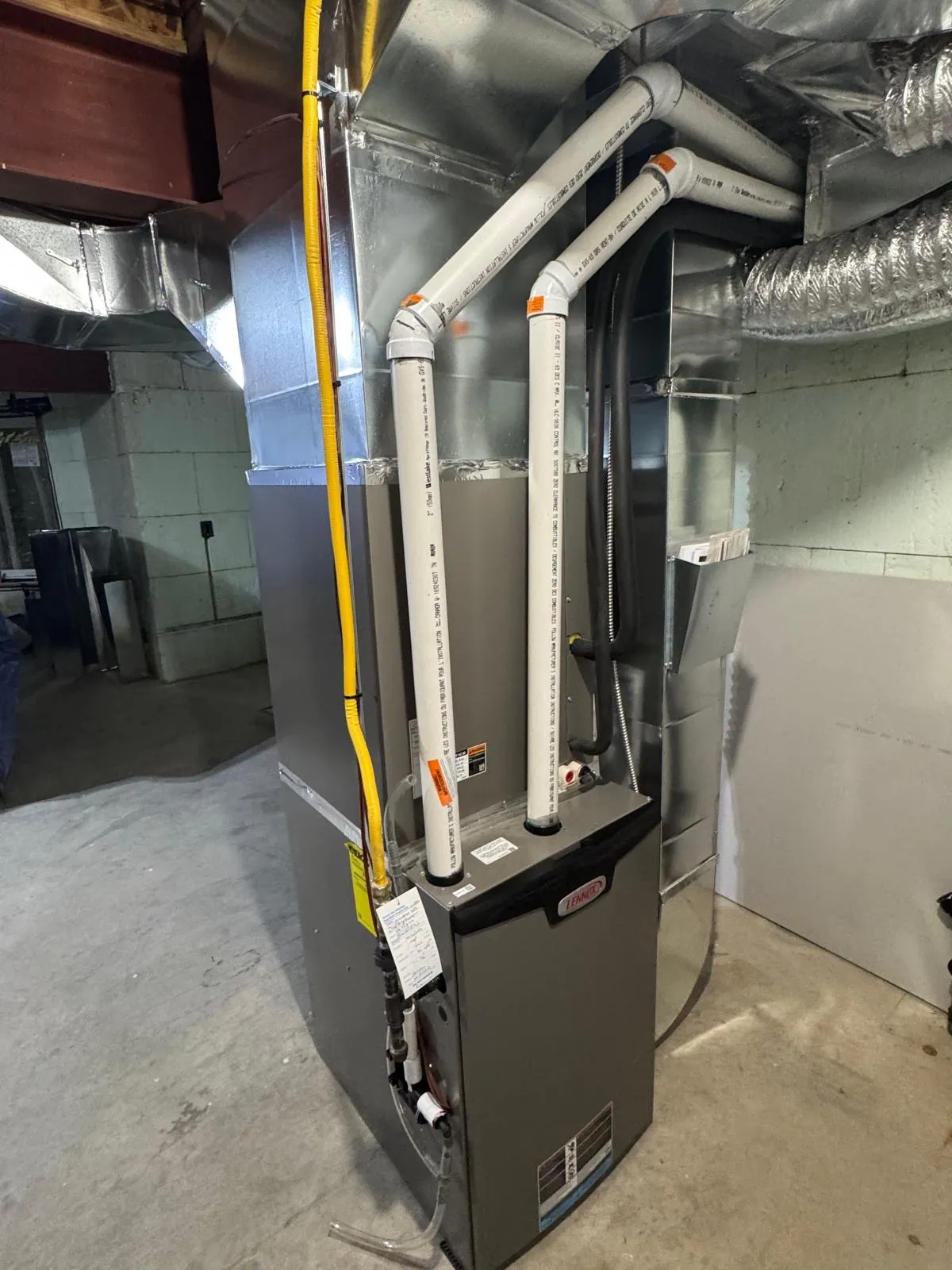
Furnace Tune-Up in Toronto: Why Early Fall Is the Best Time
Why early fall is the smartest window to book a furnace tune-up in Toronto and the GTA — what's included, what it costs, and what to expect.