

Why Some Rooms Are Always Hot or Cold — And How to Fix It
Some rooms in your GTA home always feel too hot or too cold? Here's what causes uneven heating and cooling — and the DIY checks and pro fixes that work.
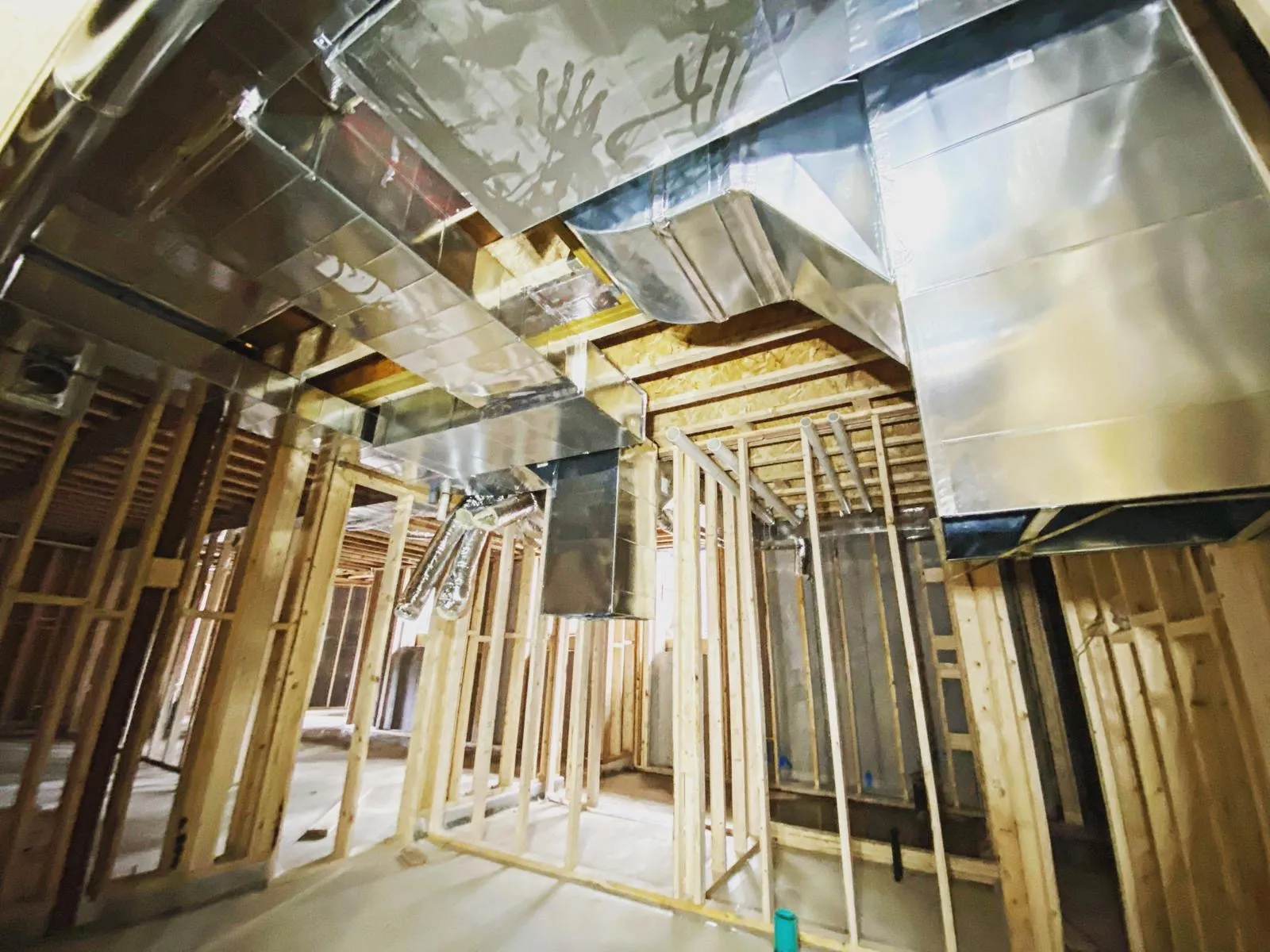
Most homes have that one room. The bedroom over the garage that’s freezing in January. The upstairs office that’s unbearable by mid-afternoon in July. The basement that needs a sweater year-round. You nudge the thermostat, but all that does is overcool or overheat the rest of the house.
Uneven temperatures are one of the most common comfort complaints we hear across the GTA — and the good news is that the cause is usually identifiable, and often fixable without replacing your whole system.
The short version: Hot and cold rooms almost always come down to airflow — a dirty filter, blocked vents, leaky ducts, or too few returns. Start with the free DIY checks below. If the gap won’t close, the fix is usually duct sealing, balancing, or zoning done by a pro — not a bigger furnace or AC. Not sure where to start? Reach out and we’ll help you diagnose it.
First, understand what’s actually happening
Your furnace and air conditioner don’t heat or cool rooms directly. They condition air at one central point, and your ductwork carries that air to every room and pulls it back. When a room is always wrong, it’s almost never because the equipment is broken — it’s because the air isn’t getting there in the right amount.
That reframing matters, because the most common “fix” homeowners reach for — a bigger furnace or AC — usually makes uneven temperatures worse, not better. The real culprits are airflow problems, and most of them have targeted solutions.
Quick diagnosis: symptom, cause, and fix
Use this table to narrow down what’s going on before you call anyone.
| Symptom | Likely cause | Typical fix (DIY vs pro) |
|---|---|---|
| One far room weak in both heat and cool | Long duct run, leaky or undersized duct | DIY: open/clear the vent. Pro: seal or resize duct |
| Whole upstairs hot in summer | Stack effect, roof heat, not enough returns | DIY: adjust dampers. Pro: add returns or zoning |
| Room cold in winter, fine in summer | Poor insulation, leaky duct in cold space | DIY: check vent. Pro: seal duct, improve insulation |
| Air barely comes out of a register | Dirty filter, closed/blocked vent | DIY: replace filter, open and clear vent |
| Some rooms blast, others get nothing | Unbalanced dampers, no zoning | Pro: balance dampers or install zoning |
| Whole house struggles to hold temp | Oversized or undersized equipment | Pro: load calculation, equipment review |
The DIY checks (start here — they’re free)
Before anything else, work through these. They solve more cases than you’d expect.
- Replace your air filter. A clogged filter starves the entire system of air, and the rooms farthest from the furnace feel it first. Check it every one to three months. If you can’t see light through it, swap it.
- Walk the house and check every vent. Supply registers get blocked by furniture, rugs, and curtains, and closed by accident. Make sure each one is open and has clear space around it.
- Look for damper levers on the ducts. In the basement, some duct branches have a small lever or wing-nut on the side. When it’s parallel to the duct, that branch is open; perpendicular means closed. A previous owner may have left a branch half-shut.
- Adjust the registers themselves. The louvres on each vent can be angled. Aim air toward the far side of a problem room rather than letting it dump straight down.
- Confirm your return-air paths are clear. Air can’t come in if it can’t get out. Don’t block return grilles, and leave interior doors open — a closed bedroom door can trap a room a few degrees off from the rest of the floor.
A good rule of thumb: don’t close more than a couple of vents at once. Sealing off too many raises pressure in your ducts, which forces air out through every leaky seam and can actually starve the rooms you’re trying to help.
Why the second floor bakes in summer
This is the single most common GTA complaint, and it’s the result of several forces stacking up.
- Heat rises. Warm air naturally collects upstairs — the “stack effect” — so the upper floor starts every day with a disadvantage.
- The roof radiates heat. All afternoon, sun on the roof and attic pours heat down into the top floor.
- Cold air fights gravity. Your AC has to push cooled air up through long duct runs, and it loses cooling capacity along the way.
- One thermostat, two realities. If your thermostat is on the main floor, the system shuts off once downstairs is comfortable — long before upstairs catches up.
DIY-wise, you can partially close some main-floor supply vents in summer to nudge more air upward, and run the fan on “ON” to keep air circulating between floors. But the durable fix is usually adding upstairs return air, balancing the system, or installing zoning — more on that below.
Leaky and poorly designed ducts
Ductwork is the quiet weak point in a lot of homes. Industry estimates commonly suggest that a meaningful share of conditioned air can be lost through duct leaks — and in our experience across older GTA housing stock, leaky joints, disconnected branches, and ducts running through unconditioned attics and crawl spaces are routine findings.
The symptoms: rooms at the end of long runs that never get enough air, a basement or attic that’s oddly warm or cold, and energy bills higher than they should be.
The pro fix is duct sealing — either by hand at accessible joints, or with an aerosolized sealant (often marketed as Aeroseal) that’s blown through the system to plug leaks from the inside. Sealing leaky ducts is one of the highest-impact fixes for uneven temperatures, and it pays you back on every bill afterward. This is core duct work, and it’s worth having assessed before you consider any equipment changes.
Too few returns and long duct runs
Many homes — especially two-storeys — were built with plenty of supply vents but not enough return-air capacity, particularly upstairs. Without somewhere for air to go, the supply air can’t flow freely, so the upper level stays stuffy.
Similarly, a room at the end of a long, narrow, or twisty duct run simply gets less air by the time it arrives. The fix is rarely cranking up the furnace; it’s adding a return, resizing the duct, or rebalancing the system so that room gets its fair share.
Balancing, zoning, and the equipment question
When the free checks aren’t enough, here’s where the pro fixes land, roughly from least to most involved:
- Air balancing. A technician measures airflow room by room and adjusts the dampers in your ductwork so each space gets the right amount. It’s precise, and it doesn’t require new equipment.
- Adding returns or sealing ducts. Targeted at the specific bottleneck causing your problem room.
- Zoning. The house is split into independently controlled areas — say, upstairs and downstairs — each with its own thermostat and motorized dampers. For a chronically hot upper floor, this is frequently the most effective long-term answer.
- Right-sizing equipment. An oversized furnace or AC short-cycles: it blasts, satisfies the thermostat fast, and shuts off before air has time to even out across the house. An undersized unit never keeps up. If you’re already replacing equipment, a proper load calculation matters more than raw size — see our guide on what size air conditioner you actually need.
Don’t forget air quality and seasonal maintenance
Uneven airflow and stale air often travel together. If certain rooms feel stuffy as well as the wrong temperature, your indoor air quality through winter may be part of the picture, and a humidifier, ventilation tweak, or better filtration can help.
And much of the unevenness that creeps in over a season is preventable. Working through a seasonal AC maintenance checklist — clean coils, fresh filter, proper refrigerant charge — keeps airflow strong and stops small problems from turning into a hot upstairs in August.
When to call Delson Air
If you’ve checked your filter, opened your vents, and that one room still won’t behave, it’s time to look at the ducts — and that’s a job for a pro with the tools to measure airflow and find leaks.
Delson Air serves Toronto, Mississauga, Markham, Vaughan, Brampton, Richmond Hill, Oakville and the surrounding GTA. We’re licensed, insured, TSSA-licensed, and an Enbridge Authorized Contractor, and balancing comfort across a whole home is exactly the kind of work we do every week — from duct sealing to adding returns to full zoning systems.
Call us at (647) 467-9919 or get in touch, and we’ll help you figure out why that room is always the odd one out — and what it’ll actually take to fix it. Your comfort is our priority.
FAQ
Common questions
Why is my second floor so much hotter than the rest of the house in summer?
Should I close vents in unused rooms to push more air elsewhere?
Can a dirty air filter cause uneven temperatures between rooms?
Is zoning worth it for fixing hot and cold rooms?
Delson Air Team
Licensed, insured, TSSA-certified HVAC technicians serving the Greater Toronto Area.
Keep reading
More from the Journal
Why Your Basement Feels Hot in Summer (And How to Fix It)
Basement hot and stuffy in summer? Here's what causes it in GTA homes — humidity, weak airflow, leaky ducts — and the fixes that actually work in Ontario.
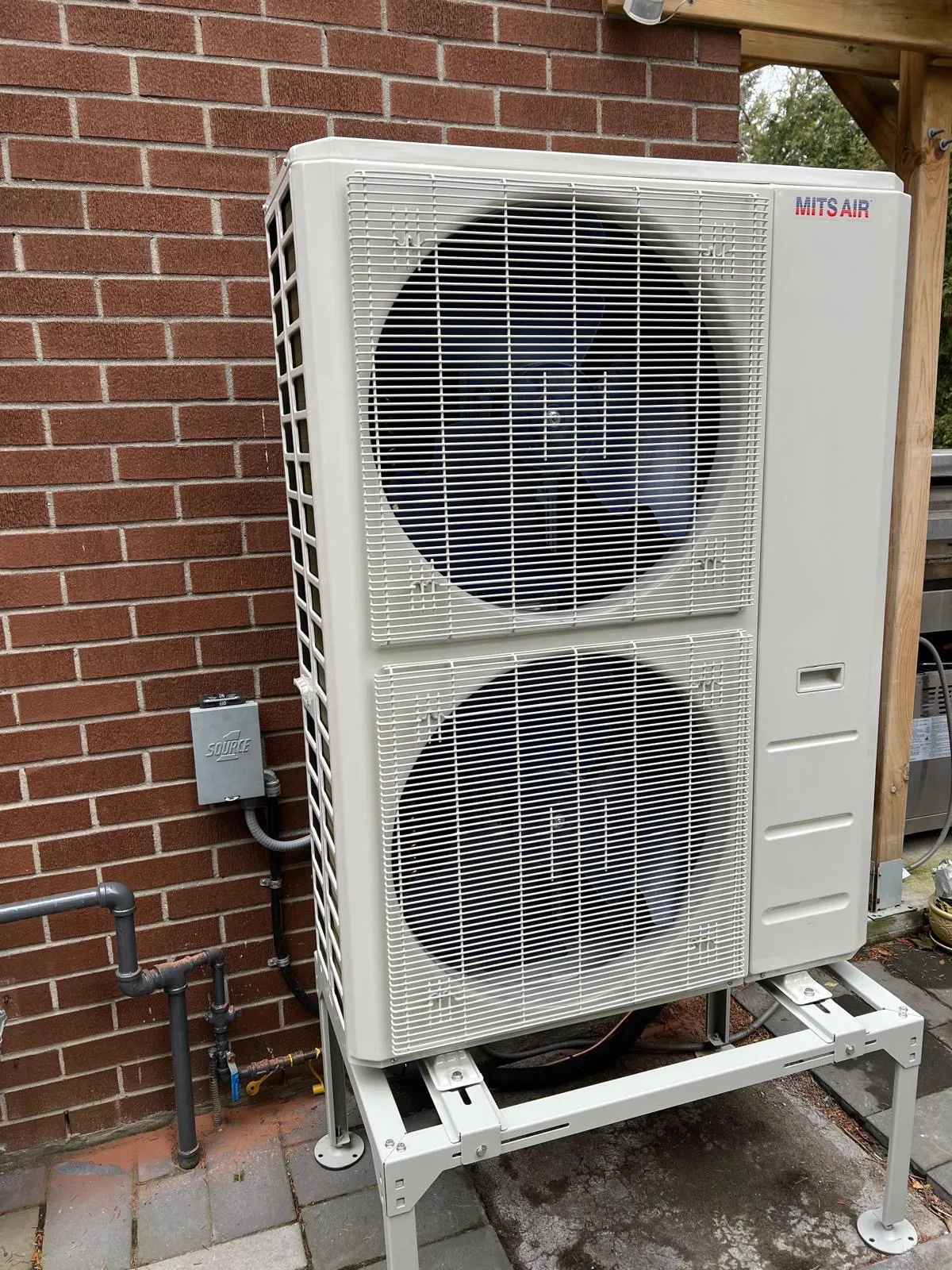
Heat Pump vs Furnace + AC: True 10-Year Cost of Ownership
Heat pump vs furnace + AC 10-year cost of ownership for GTA and Ontario homes: install, operating, maintenance, rebates, and lifetime totals compared in 2026.
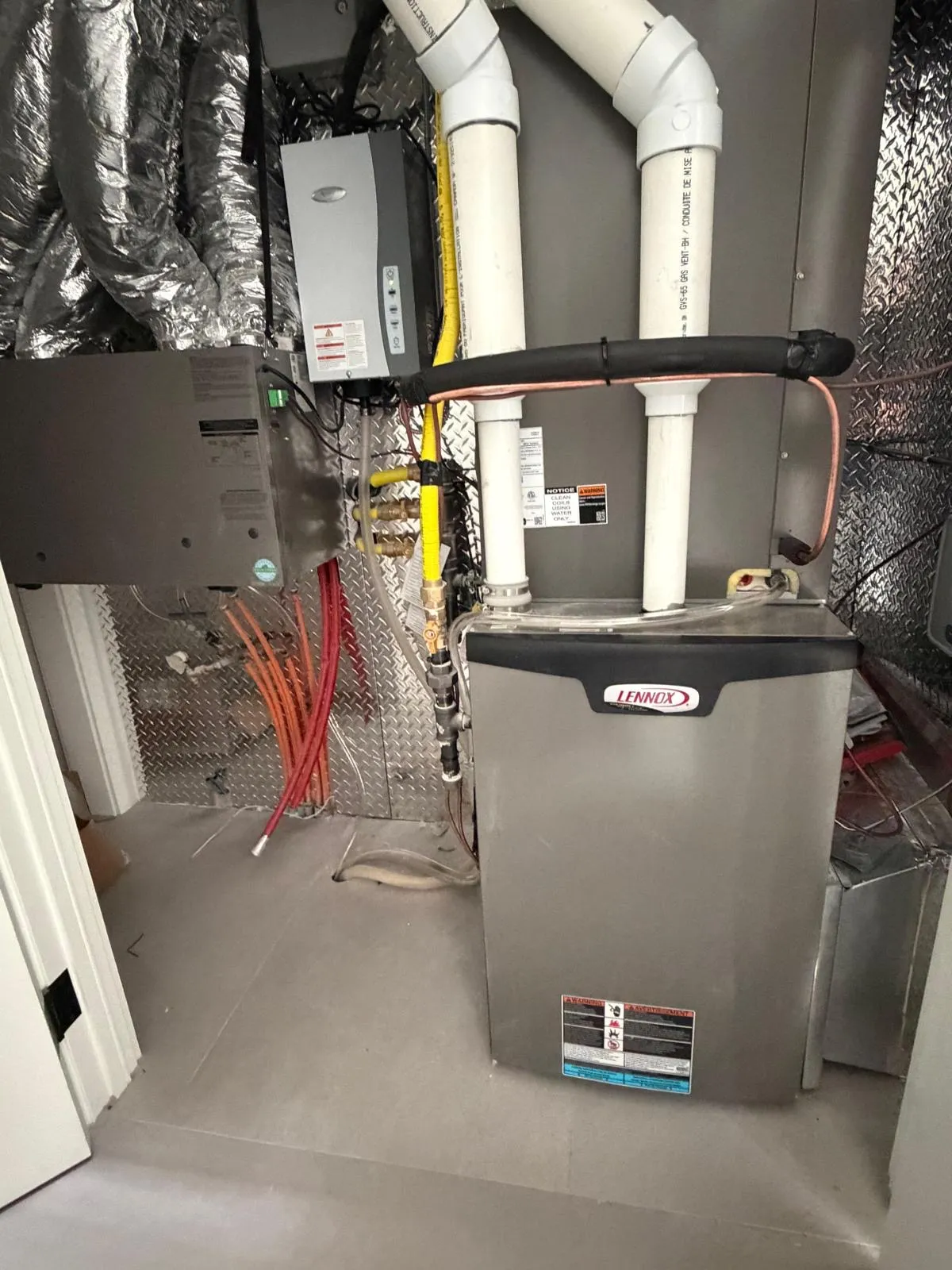
HVAC Maintenance Plans: What's Included in 2026
What an HVAC maintenance plan actually covers in 2026 — priority dispatch, repair discounts, waived diagnostic fees, and tune-ups for GTA homeowners.